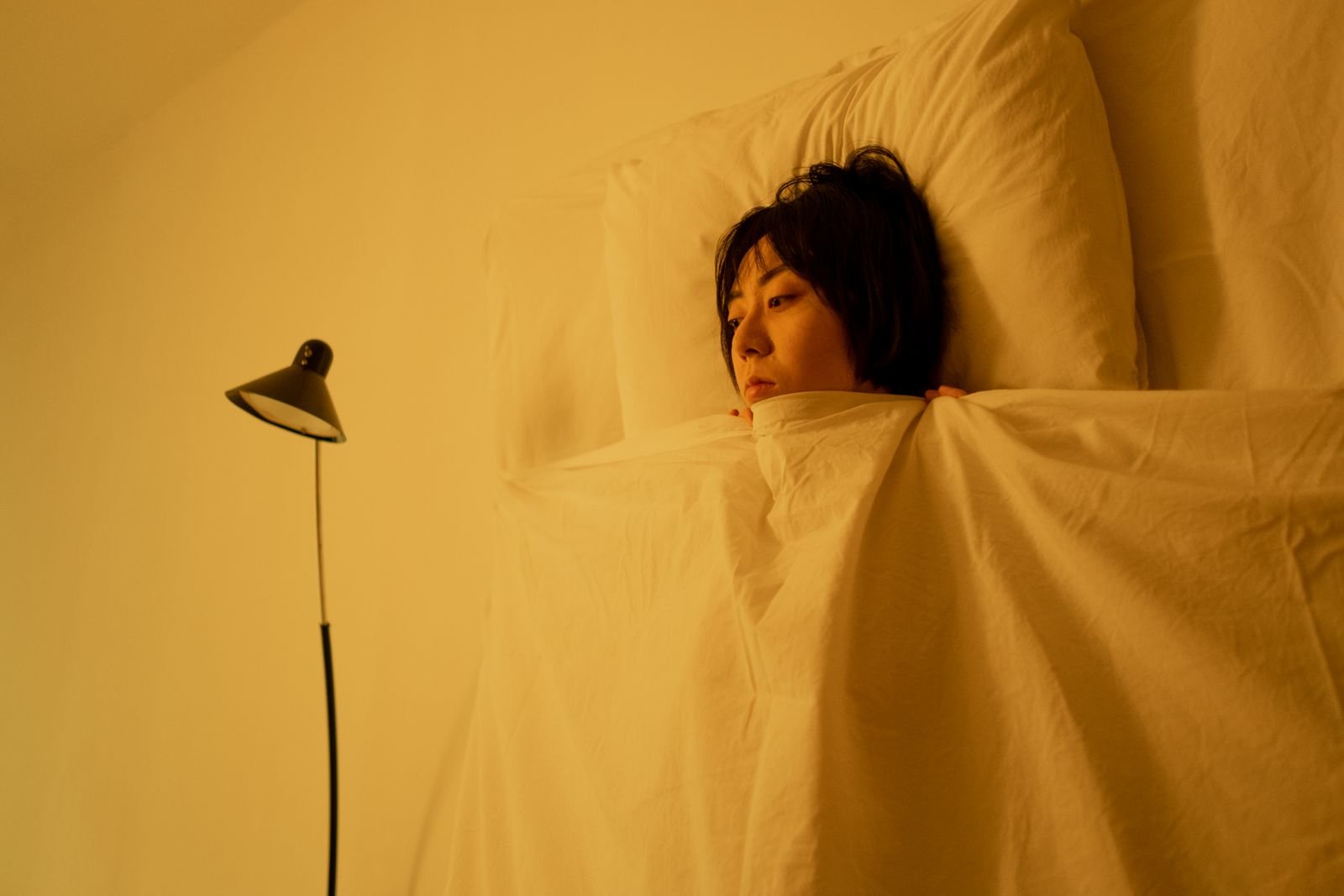
Hay fever often feels worse at night because pollen that lifted into the air during the warm part of the day cools and settles back down in the evening, and the pollen you have carried indoors on your hair, skin and clothes ends up on your pillow. On top of that, a blocked or runny nose tends to feel harder to cope with once you lie down. So if your evenings and nights feel like the toughest part of pollen season, you are not imagining it.
The reassuring part is that most of what makes nights harder comes down to where the pollen is, and that is something you can gently work around. This guide walks through the everyday reasons hay fever ramps up after dark and a few calm habits that keep more pollen out of your bedroom. None of it is medical advice — for anything about your symptoms or any medicine, a pharmacist or GP is the right person to ask.
Key facts at a glance
- Hay fever symptoms include sneezing, a runny or blocked nose, itchy, red or watery eyes and feeling tired (NHS).
- Symptoms are usually worse from late March to September, especially when it is warm, humid and windy and the pollen count is high (NHS).
- Grass pollen is the most common trigger for hay fever, mainly from mid-May to July (Met Office).
- Warm, dry days with a gentle breeze tend to produce the highest pollen counts (Met Office).
- Allergy UK notes that hay fever symptoms can affect sleep quality, and that long spells of poor sleep can raise the risk of other illnesses (Allergy UK).
- There is no permanent solution for hay fever, but a pharmacist can give advice and suggest ways to ease symptoms (NHS).
Why is hay fever worse at night?
There is rarely a single cause. For most people, night-time hay fever is a few small things stacking up at once: pollen drifting back down as the evening cools, more pollen carried indoors by the end of the day, open windows on a warm night, and the simple fact that a stuffy nose feels worse lying flat. None of them is dramatic on its own, but together they can turn the calmest part of the day into the itchiest.
The good news is that each of these has a gentle, practical answer. Once you understand what is actually happening, you can pick the couple of habits that fit your evening rather than trying to change everything at once.
Pollen that settles back down in the evening
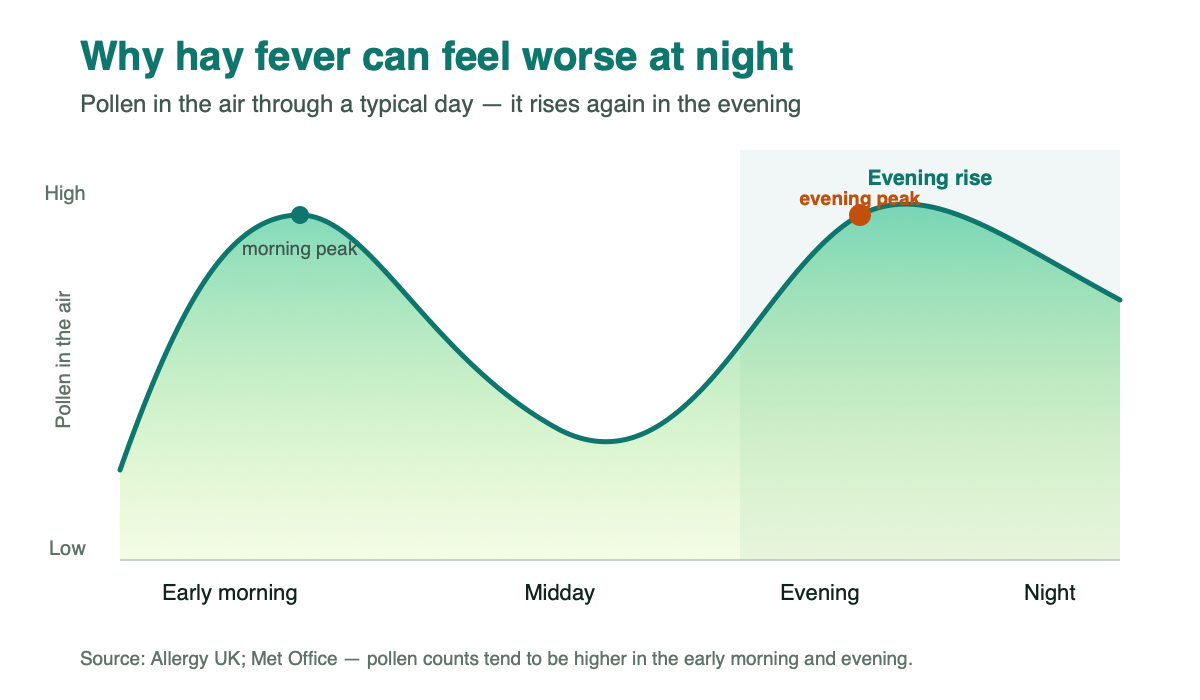
On a warm day, pollen released in the morning is carried upwards on rising warm air. As the sun goes down and the air cools, that pollen gradually sinks back towards the ground — and back to nose and eye height — which is one reason symptoms can flare again in the early evening. The Met Office notes that warm, dry days with a gentle breeze tend to produce the highest pollen counts, so it is often the loveliest summer evenings that feel the hardest.
This is why an evening in the garden, or a walk after dinner, can leave you sneezing just as you are trying to wind down. It is not that you have done anything wrong — it is simply the pollen coming back to your level as the day ends. Knowing the rhythm helps: on high-pollen days, keeping the last hour or two before bed a little more sheltered can take the edge off.
What you bring indoors ends up on your pillow
Pollen is sticky, and it clings to hair, skin and clothes throughout the day. If you go straight from a pollen-heavy day to your bedroom, a lot of that pollen comes with you and settles on your pillow, your duvet and your sheets — right where your face rests for hours. That is often why symptoms seem to switch on the moment your head hits the pillow.
Open windows add to it. On a warm night it is tempting to sleep with the window open, but that lets fresh pollen drift straight into the room, especially first thing in the morning and in the early evening when levels are often higher. And if you have dried washing or bedding outdoors, it can catch airborne pollen and carry it back into the bedroom too.
There is one more layer worth naming gently. Bedrooms can hold everyday allergens such as house dust, and for some people these sit on top of the pollen rather than replacing it. You do not need to deep-clean the house — but fresh bedding and a regularly hoovered room during peak weeks can mean a little less to react to overnight.
Why lying down can make it feel worse
Even with the same amount of pollen, symptoms can simply feel worse once you are horizontal. A blocked or congested nose is harder to clear lying down, so breathing through your nose becomes more of an effort and you may end up mouth-breathing, which dries the throat. Itchy, watery eyes are also more noticeable when you are still and trying to settle, with no distractions to take your mind off them.
Allergy UK notes that hay fever symptoms can affect sleep quality, and that sustained periods of poor sleep can increase the risk of other illnesses — so a run of restless nights is worth taking seriously rather than pushing through. Feeling wiped out the next day is not you being soft; the NHS lists feeling tired as a symptom of hay fever in its own right.
A calm evening routine that lowers pollen
A short wind-down routine removes a surprising amount of the pollen you carry to bed. The NHS suggests showering and changing your clothes after being outside to wash pollen off, keeping windows and doors shut when the count is high, and not drying washing outdoors, where it can catch pollen. Done in the evening, these small steps mean less pollen in the bed with you.
A few gentle habits that may help on higher-pollen nights:
- Shower and wash your hair before bed. Pollen clings to hair and transfers straight onto your pillow, so rinsing it off in the evening makes a real difference.
- Keep bedroom windows shut at peak times. Closing up during the early morning and early evening, when levels are often higher, keeps more pollen outside.
- Change out of the day's clothes before you sit on the bed. Day clothes carry pollen, so leaving them out of the bedroom keeps it off the duvet.
- Dry washing indoors on high-pollen days. Bedding and pyjamas dried outside can catch pollen and bring it back to the bed.
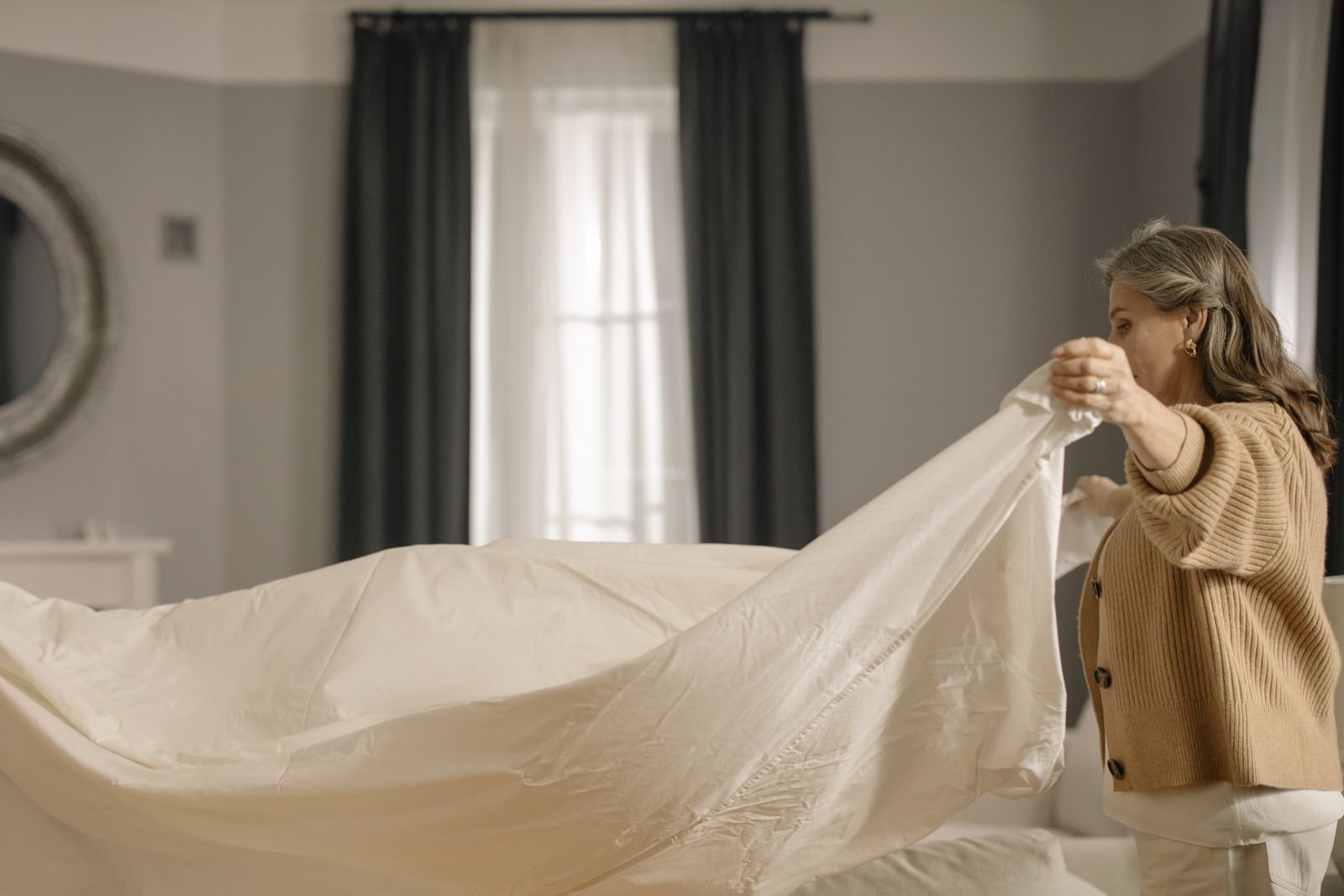
- Freshen your bedding through peak weeks. Washing sheets and pillowcases regularly keeps your pillow clearer of settled pollen.
- Check your local pollen level before the evening. Knowing the day ahead lets you plan a gentler wind-down when the count is high.
The NHS also mentions a dab of petroleum jelly around the nostrils to trap pollen before you breathe it in, and using a HEPA filter when vacuuming so hoovering lifts pollen away rather than stirring it around. None of this has to be perfect — you cannot keep out every grain, and trying to would only add stress at bedtime. Picking two or three of these on the higher days usually does the most good.
When to speak to a pharmacist
If your nights stay hard despite a calmer routine, a pharmacist is a good next step. The NHS says a pharmacist can give advice and suggest ways to ease hay fever symptoms, and can point you to the right option for you. It also notes that some antihistamines can make you very sleepy, so it is worth asking about non-drowsy options if you need to drive or concentrate the next day. Which option suits you is a question for the pharmacist, not something to guess at — this is general information, not medical advice, and you should never start, stop or change any medicine based on an article.
It is also sensible to see a GP if your symptoms are severe, do not ease with the usual steps, or if you have asthma that seems to be getting worse in pollen season. PEPA is here for the everyday picture — what the pollen is doing where you live — not to replace that conversation.
In short
Hay fever often feels worse at night because pollen that rose during the warm day settles back down as the evening cools, more of it comes indoors on your hair and clothes by bedtime, open windows let fresh pollen in, and a blocked nose is simply harder to cope with lying down. Bedroom dust can add to it too. Showering before bed, keeping windows shut at peak times, drying washing indoors and freshening your bedding all lower the pollen around you overnight. If nights stay difficult, a pharmacist can talk through options that may suit you.
See your local pollen picture tonight
Calmer nights are easier to plan when you know what the pollen is actually doing where you live. PEPA gives you a simple, local view of the day ahead and lets you note how you feel over time, with no account to set up and nothing to share.
PEPA is free on the App Store: https://apps.apple.com/gb/app/pepa/id6789877854
Frequently asked questions
Why is my hay fever worse at night?
A few things tend to stack up after dark. Pollen that rose into the air during the warm day settles back to nose height as the evening cools, more pollen has collected on your hair and clothes by bedtime, open windows let fresh pollen in, and a blocked nose feels harder to manage lying down. Showering before bed and keeping windows shut on high days can help.
Does pollen really go up again in the evening?
Symptoms can flare again in the early evening as the air cools and pollen that lifted during the day drifts back down towards the ground. The Met Office notes that warm, dry days with a gentle breeze tend to produce the highest pollen counts, which is why pleasant summer evenings can feel like the hardest part of the day.
Should I sleep with the window open or closed in hay fever season?
The NHS advises keeping windows and doors shut when the pollen count is high, as open windows let pollen drift indoors — including into the bedroom overnight. On lower-pollen days, or after rain has cleared the air, airing the room may feel fine. Checking your local pollen level helps you decide night by night.
Why does my nose feel more blocked when I lie down?
A congested nose is generally harder to clear when you are lying flat, so breathing through it takes more effort and you may end up mouth-breathing, which dries the throat. Itchy eyes are also more noticeable when you are still and settling down. This is a common part of hay fever rather than anything to worry about, but a pharmacist can advise if it keeps disturbing your sleep.
What can I do this evening to sleep better with hay fever?
Start with three easy things: check your local pollen level, shower and wash your hair before bed, and keep the bedroom window shut if the count is high. Drying washing indoors during peak weeks and freshening your bedding help too. If nights stay hard night after night, a pharmacist is your best next stop.
Read next
References
- The NHS lists hay fever symptoms as sneezing and coughing, a runny or blocked nose, itchy, red or watery eyes, an itchy throat, and feeling tired, and says symptoms are usually worse between late March and September when it is warm, humid and windy and the pollen count is high. — NHS, Hay fever. Source (checked 2026-07-31).
- The NHS advises showering and changing clothes after being outside to wash pollen off, keeping windows and doors shut when the pollen count is high, not drying clothes outside, using a HEPA filter when vacuuming, and putting petroleum jelly around the nostrils to trap pollen. — NHS, Hay fever. Source (checked 2026-07-31).
- The NHS states there is currently no permanent solution for hay fever, but a pharmacist can give advice and suggest ways to ease symptoms, and notes that some antihistamines can make you very sleepy, so ask a pharmacist about non-drowsy options if you need to. — NHS, Hay fever. Source (checked 2026-07-31).
- The Met Office says most people are allergic to grass pollen, the most common cause of hay fever, with the grass pollen season running from mid-May until July, and that warm, dry days with low humidity and a gentle breeze produce the highest pollen counts. — Met Office, When is hay fever season in the UK?. Source (checked 2026-07-31).
- Allergy UK notes that hay fever symptoms can affect sleep quality and that sustained periods of poor sleep can increase the risk of other illnesses, and advises showering, washing your hair and changing clothes once indoors, keeping windows closed, and avoiding line-drying clothes and linen outdoors. — Allergy UK, Hay fever help. Source (checked 2026-07-31).
Image credits
- Photo by cottonbro studio on Pexels.
- Photo by cottonbro studio on Pexels.
PEPA shares general lifestyle information only. It is not medical advice, and it does not replace guidance from a pharmacist or GP. Please speak to them about your symptoms or any health concerns.